
Utah County
St. George
ELectrician IN LEHI, UTAH
What Factors Affect Wiring Installation Prices?
Introduction
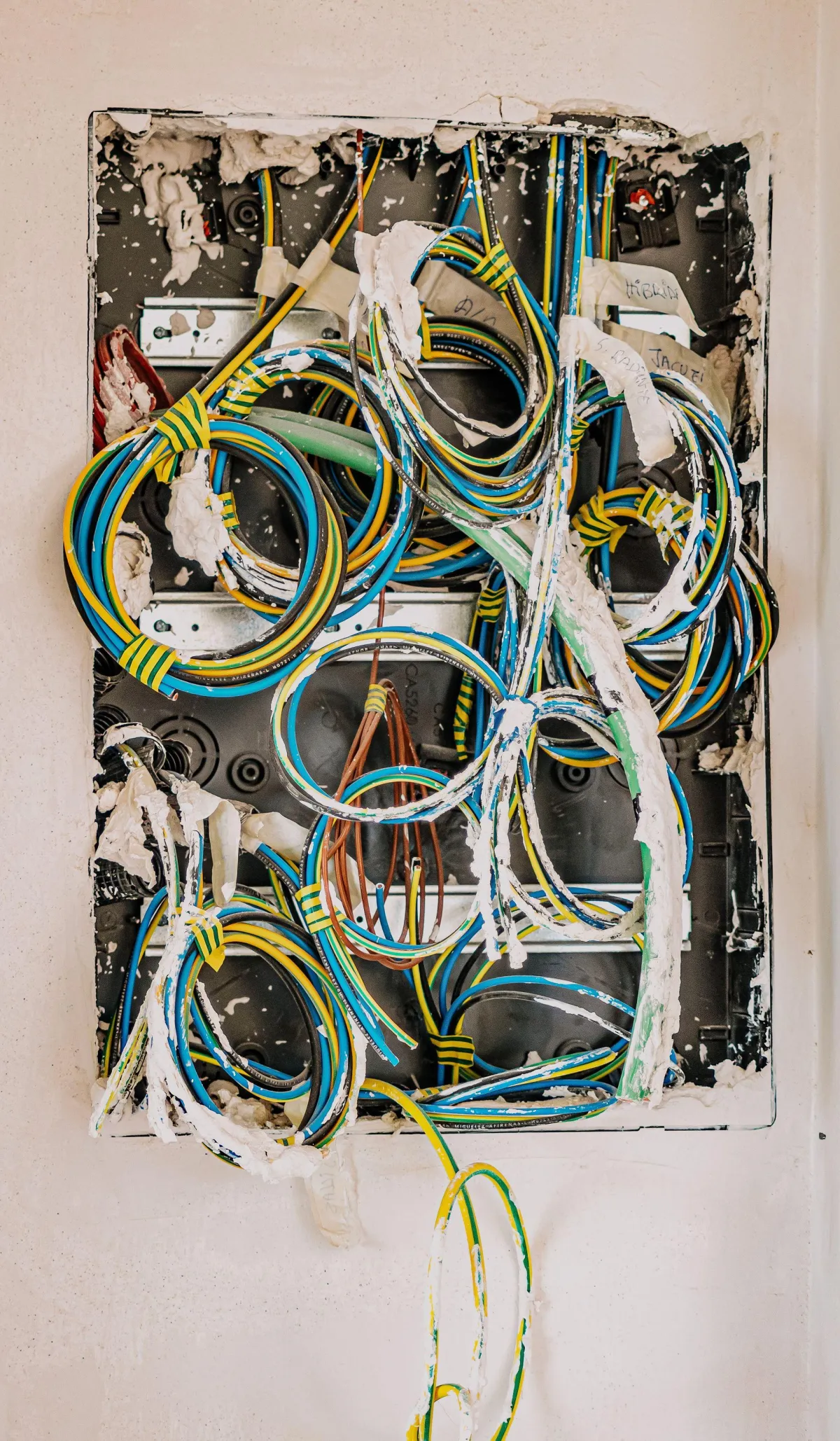
Wiring installation can vary significantly in price, even when two projects seem nearly identical. This is because wiring interacts with parts of the home most people never see—inside walls, attics, crawlspaces, and panels—making every installation dependent on structural conditions, accessibility, and system readiness. What looks simple from the outside is often shaped by hidden challenges, and that’s why estimates for wiring aren't uniform.
In Lehi, UT, pricing varies even more because the city has a mix of older homes, new developments, remodel-heavy neighborhoods, and homes with different electrical standards. Understanding the major factors affecting wiring installation pricing helps homeowners interpret estimates more accurately and prepare for the real conditions that shape total cost.
Home Layout and Accessibility
The physical structure of a home is one of the strongest factors in determining wiring installation cost. When electricians can reach attics, basements, framing channels, and ceiling spaces easily, installation tends to move quickly. Homes with open access points allow wiring to be routed cleanly with fewer delays.
But many homes in Lehi have features that slow the process—vaulted ceilings, tight crawlspaces, dense insulation, or obstacles behind the walls such as HVAC ducts, plumbing, and support beams. These conditions require more time and careful routing, increasing labor hours. Finished walls also increase cost because they may need to be cut and later repaired to create wiring pathways. Even small layout differences between two homes can result in noticeably different installation times.
Electrical System Condition
The state of the existing electrical system plays a major role in how much preparation must occur before wiring can be added. Below are the key elements electricians evaluate, each of which influences the final project price.
Existing Wiring
Some older Lehi homes still rely on outdated wiring types that cannot safely support new loads. Aluminum wiring, cloth-covered lines, or deteriorating conductors require replacement before new wiring can be incorporated. When corrective work is necessary, installation becomes more involved and costs increase.
Electrical Panel Capacity
Every new wiring line must connect back to the home’s electrical panel. If the panel lacks open breaker slots or cannot support additional circuits, panel upgrades or subpanels may be required. This adds both labor and material cost to the project.
Grounding and Safety Requirements
Modern wiring installations must meet current safety standards, including proper grounding, arc-fault or ground-fault protection, and appropriately matched breakers. When the existing system does not meet these standards, electricians must bring it up to code as part of the installation.
Load Compatibility
Some projects—like wiring for HVAC systems, ovens, EV chargers, or workshop equipment—place more demand on the system. If the current setup cannot handle the load, upgrades become part of the total cost.
Materials and Project Scope
Wiring installation pricing is also shaped by the materials required and the size and complexity of the project. Different materials and equipment are necessary depending on what the wiring will supply, how far it must travel, and what safety components are needed. These considerations often change the price more than homeowners expect.
The following points highlight the material and scope factors that commonly affect wiring installation in Lehi, UT:
Long wiring runs for multi-room or multi-level installations
High-capacity wiring for appliances, HVAC units, or EV chargers
Additional junction boxes, connectors, or specialty components
Wiring replacement or rerouting due to remodel layouts
Fixture, outlet, or switch upgrades connected to the installation
Larger projects—like wiring for finished basements, full room conversions, or remodels—use more wiring, more breakers, and more installation time. Smaller projects may require only a few targeted materials but still depend on system compatibility and safe routing conditions.
Estimating Wiring Installation Costs as a Homeowner
While only an electrician can provide an exact estimate, homeowners can assess several factors that influence price. The steps below help create a clearer picture of what affects cost before scheduling a professional evaluation.
Step 1: Determine the Purpose of the Wiring
Wiring for lighting, general outlets, appliances, a remodel, or an entirely new space each requires different materials and levels of labor. Identifying the purpose gives a general idea of scope.
Step 2: Review the Age and Condition of the Electrical System
Systems that are decades old often need grounding improvements, breaker updates, or wiring replacement. Homes in older parts of Lehi frequently fall into this category.
Step 3: Consider How Accessible Wiring Routes Will Be
Think about attic access, basement openness, finished walls, or tight ceiling spaces. Wiring that must pass through obstructed pathways will take longer and cost more.
Step 4: Account for Special Wiring Types
Higher-demand projects require thicker wire gauges or specialized insulation. These materials cost more and must be installed with additional safety considerations.
Step 5: Expect Code Compliance Updates
Even if your current wiring seems functional, modern safety standards may require additional components. Protective devices, proper grounding, and updated breakers are part of any compliant installation.
Frequently Asked Questions
Why do older homes tend to cost more for wiring installation?
Older homes often have wiring systems that no longer meet modern safety standards. Electricians may discover brittle insulation, aluminum wiring, undersized conductors, or circuits that were extended improperly during past remodels. Before any new wiring can be added, these existing issues must be corrected. In Lehi, UT, many homes built before the early 2000s fall into this category, which adds both labor and material costs to the project.
Do electricians charge by the foot for wiring?
No. While wire length affects material cost slightly, the actual price is driven by the difficulty of the installation. Routing 10 feet of wire through an open basement might take minutes, but routing the same 10 feet through insulated walls, tight ceiling cavities, or around structural obstacles can take hours. This is why complexity—not distance—is what really affects price.
Is wiring installation cheaper during a remodel?
Usually, yes. When walls and ceilings are already open, electricians can work far more efficiently. They don’t have to cut drywall, work around insulation, or fish wiring through narrow spaces. Remodels in Lehi often come with more predictable installation costs because the electrician can see the framing, plan clean routes, and avoid time-consuming obstacles.
Do wiring installations require permits in Lehi, UT?
Most of the time, yes. Wiring that connects to the panel or modifies circuits typically requires a permit to document that the work meets current electrical codes. This protects the homeowner, ensures insurance compliance, and provides a formal inspection to confirm the installation is safe. The permit process adds a small administrative cost, but it also adds long-term safety and documentation benefits.
Why do dedicated circuits cost more than extending an existing circuit?
A dedicated circuit requires its own breaker, wiring path, and safety components. Appliances like HVAC units, ovens, EV chargers, and microwaves cannot safely share circuits, so dedicated wiring must be added. This involves panel work, new wiring routes, and often thicker wire gauges. Extending an existing circuit, on the other hand, doesn’t require panel modifications or high-capacity components, making it less expensive.
Do electricians have to upgrade the panel before adding new wiring?
Only if the current panel lacks capacity, grounding, or compatibility with modern breakers. Many older Lehi homes have panels that are full or not equipped for AFCI/GFCI breakers. Adding new wiring without upgrading the panel can overload the system, so electricians evaluate this before starting work. If upgrades are required, they’re part of the total project cost.
Conclusion
Wiring installation prices are shaped by home layout, electrical system condition, required materials, and the level of access available to electricians. These variables explain why estimates can differ even when projects seem similar on the surface. By understanding these factors, homeowners can better anticipate cost and make informed plans for upgrades or remodeling.
In Lehi, homeowners often turn to Bar H Bar Electric for wiring projects because having an experienced, reliable local team ensures the work is completed safely, efficiently, and with clear communication from start to finish.

Our Services
Helpful Links
Contact Information
Phone
Utah County: (385) 257-3541
St. George: (480) 686-5978
Business Hours
Mon - Fri: 8:00 am - 5:00 pm
Sat - Sun: Closed
© 2025 All Rights Reserved | Bar H Bar Electric