
Utah County
St. George
ELectrician IN LEHI, UTAH
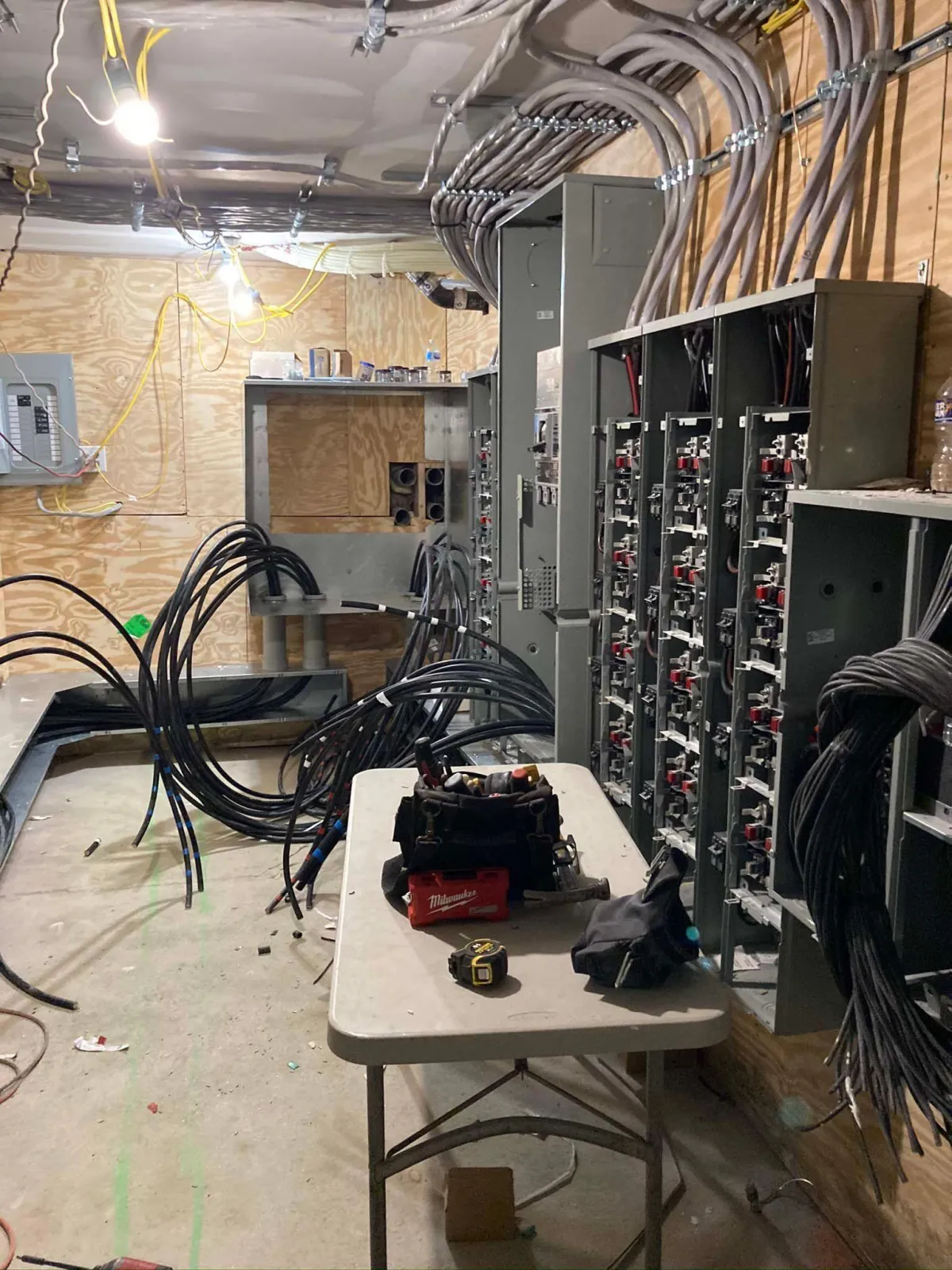
How Much Does It Cost to Replace an Electrical Panel?
Introduction
Electrical panel replacement is one of the most important electrical upgrades a homeowner can make, especially when the system begins showing signs of overload or aging components. Breakers that trip frequently, buzzing noises, overheating, or lights that dim when appliances run are all signs that the panel may no longer support the home’s electrical demands. In these situations, replacing the panel becomes a safety measure as much as a performance upgrade.
In Lehi, UT, the cost of replacing an electrical panel varies widely because homes differ in age, wiring condition, electrical service capacity, and the type of upgrades needed to meet current codes. Understanding what influences the total cost helps homeowners plan the project more confidently and anticipate where additional expenses may arise.
What a Panel Replacement Includes
Replacing an electrical panel involves several components working together to upgrade the home’s electrical service. Before pricing can make sense, it helps to understand the main elements involved in the installation.
Removal of the Existing Panel
The old panel must be safely disconnected and removed, including detaching all breakers and verifying which circuits feed each part of the home.
Installation of the New Panel
The new panel is mounted, grounded, bonded, and prepared to receive circuits. The panel’s amperage rating determines future capacity and directly affects price.
Reconnecting and Organizing Circuits
Each circuit must be reattached to the correct breaker, inspected for safety, and reorganized if circuits were doubled up or improperly configured in the old panel.
Grounding and Bonding Upgrades
Most older homes in Lehi require grounding improvements, including new grounding rods, updated bonding, or corrected neutral/ground separation.
System Testing and Inspection
After installation, the electrician tests every connection, breaker, and safety device to ensure full compliance with modern electrical standards.
Factors That Influence Panel Replacement Cost
Several conditions inside and around the home determine the final cost of a panel replacement. Below are the most common elements that affect pricing.
Condition of Existing Wiring and Equipment
Homes with deteriorated wiring, scorched insulation, corroded panel components, or loose connections require additional repair work before a replacement panel can operate safely. Wiring near the panel often needs correction if it shows signs of heat damage or improper installation.
Required Amperage Upgrade
Many older homes still rely on 100- or 125-amp panels. Modern homes often need 200 amps to support high-demand appliances, HVAC systems, and added circuits. Increasing service capacity requires additional materials, larger conductors, and sometimes meter or service mast upgrades.
Compatibility of Current Circuits
Circuits that are improperly sized, doubled on a single breaker, mismatched, or originating from outdated wiring must be corrected. Homes with long remodeling histories often contain mixed wiring methods that require cleanup work during the panel upgrade.
Code Requirements for Replacement
New panels must meet current code standards. This often requires installing grounding electrodes, improving bonding, adding AFCI or GFCI protection, correcting mislabeled circuits, or reorganizing conductor routing. These upgrades increase cost but are required to pass inspection.
Utility-Side Involvement
If the panel upgrade affects the service mast, meter base, or exterior conductors, the utility company may need to temporarily disconnect power. Any required utility modifications influence cost and scheduling.
How Homeowners Can Estimate Their Likely Panel Replacement Cost
While exact pricing depends on inspection, homeowners can anticipate how complex their project may be by reviewing a few practical considerations.
1. Determine Your Current Panel Size
If the home uses a panel under 200 amps, an upgrade is likely necessary to support modern electrical usage. Larger panels increase material and labor cost.
2. Identify Warning Signs of Panel Failure
Flickering lights, warm breakers, buzzing sounds, and frequent trips indicate stress on the electrical system. The more symptoms present, the more internal corrective work may be required.
3. Consider Upcoming Electrical Needs
Plans for kitchen remodels, basement finishes, home offices, EV chargers, or hot tubs will affect sizing and cost. Additional circuits may need to be added during the panel replacement.
4. Evaluate the Age of the Home
Older homes often require grounding improvements, conductor repairs, or updates to breaker configurations. Homes built before modern codes frequently need more corrective work.
5. Check for Signs of Overloaded Circuits
If multiple rooms lose power when one breaker trips, or if several circuits appear tied together, reorganizing circuits will add to the project cost.
Additional Costs That May Affect Total Price
Some panel replacement projects involve extra steps beyond the panel installation itself. These additions vary by home but can influence overall pricing.
Here are common items that may increase the total cost:
Replacing damaged or unsafe wiring discovered near the panel
Installing new grounding rods or improving grounding paths
Upgrading meter bases or service masts for higher amperage
Replacing outdated or incompatible breakers
Correcting mislabeled, overloaded, or improperly grouped circuits
Repairing drywall or finishes around the panel after accessing hidden areas
Adding surge protection or secondary safety devices
Reconfiguring circuits for new room additions or appliances
These elements are not always required, but when they are, they contribute to the investment needed for a safe and compliant upgrade.
Frequently Asked Questions
Why does panel replacement cost more in older homes?
Older homes often require wiring corrections, grounding improvements, or safety upgrades that add labor and materials to the project.
Is upgrading to a 200-amp panel worth it?
For most households—yes. Modern appliances, HVAC systems, remodels, and EV chargers require more capacity than older 100-amp systems can safely support.
How long does a panel replacement take?
Most replacements take half a day to a full day, but homes requiring rewiring, grounding improvements, or utility-side modifications may take longer.
Do I need a permit in Lehi, UT?
Yes. Panel replacements require permits and inspections to ensure the system meets current electrical codes.
Will the power be off during the replacement?
Yes. The home will be without power during the installation period. Utility coordination may extend the outage if service upgrades are required.
Conclusion
Panel replacement is a major electrical upgrade that improves safety, increases capacity, and prepares a home for modern electrical demands. Costs vary based on wiring condition, amperage needs, code requirements, and whether additional corrections are necessary. Understanding these factors helps homeowners anticipate realistic pricing and make informed decisions.
Many homeowners in Lehi rely on Bar H Bar Electric for panel upgrades because having a trusted local team ensures the installation is completed safely, efficiently, and with clear communication throughout the process.

Our Services
Helpful Links
Contact Information
Phone
Utah County: (385) 257-3541
St. George: (480) 686-5978
Business Hours
Mon - Fri: 8:00 am - 5:00 pm
Sat - Sun: Closed
© 2025 All Rights Reserved | Bar H Bar Electric