
Utah County
St. George
ELectrician IN LEHI, UTAH
Is LED Interior Lighting Worth the Cost in Utah Homes
Introduction
Lighting affects more than just visibility. It influences mood, energy consumption, long-term maintenance costs, and even how spacious a home feels. In growing communities like Lehi, Utah, many homeowners are upgrading their interiors to be more energy-efficient and modern. One of the most common upgrades is switching to LED interior lighting.
But LEDs typically cost more upfront than traditional bulbs. So the real question becomes: is LED interior lighting actually worth the cost in Utah homes?
To answer that, we need to look beyond the purchase price and evaluate long-term savings, performance, and home value.
Understanding the True Cost of LED Lighting
When comparing lighting types, the purchase price alone does not tell the full story. Below is a side-by-side comparison to illustrate the difference.
LED bulbs cost more initially. However, they consume significantly less electricity and last much longer. In many Utah homes, that translates into noticeable utility savings over time.
Energy Efficiency and Monthly Savings
Utah homeowners benefit from relatively affordable electricity rates, but energy savings still matter—especially in larger homes with extensive interior lighting.
LED lighting uses up to 75% less energy than traditional incandescent bulbs. In a typical Lehi, Utah home with dozens of light fixtures, that reduction can lower monthly energy consumption in a measurable way.
Savings become more apparent in:
Kitchens with multiple recessed lights
Basements with continuous lighting use
Home offices used daily
Exterior-interior combination lighting setups
Over several years, energy savings often outweigh the initial upgrade cost.
Upfront Installation Costs in Lehi, Utah
The cost of upgrading to LED interior lighting depends on the scope of the project. Homeowners typically choose between three levels of upgrade:
Simple Bulb Replacement
This involves swapping traditional bulbs for LED equivalents. Costs are minimal and require no electrical modification.
Fixture Replacement
Upgrading outdated fixtures to modern LED-integrated designs increases cost but improves aesthetics and efficiency.
Recessed Lighting Installation
Installing new LED recessed lighting requires wiring adjustments and possibly drywall work. This is the highest investment option but also delivers the most dramatic transformation.
In Lehi, Utah, installation costs vary depending on ceiling height, attic accessibility, and the number of fixtures being added or replaced.
Lighting Quality and Performance Improvements
Cost is only one factor. Performance is equally important.
LED interior lighting provides:
Brighter, more consistent illumination
Multiple color temperature options
Instant full brightness
Reduced heat output
Dimming compatibility (when properly installed)
Modern LEDs also eliminate the flickering and warm-up delays common with older CFL bulbs.
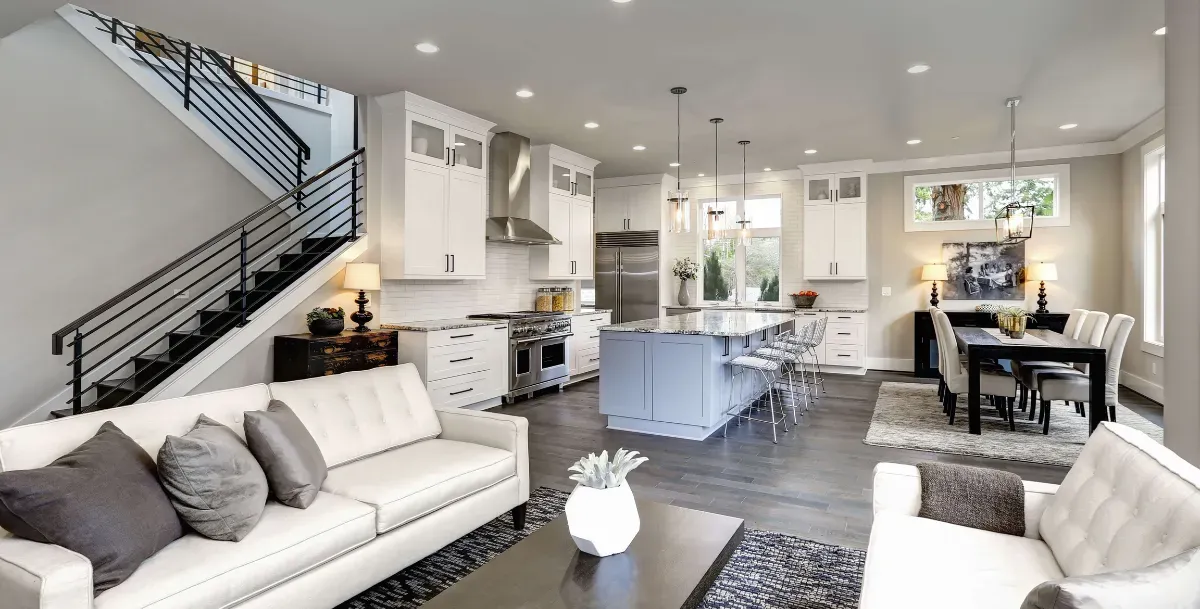
For homes in Lehi with open-concept layouts, LED lighting often enhances the overall appearance and functionality of living spaces.
Long-Term Maintenance Considerations
Frequent bulb replacement may not seem expensive, but over time it adds up.
With LED lighting:
Replacement frequency drops dramatically
Maintenance time decreases
Hard-to-reach fixtures require less servicing
This is especially beneficial in homes with high ceilings or stairwell lighting.
Because LEDs last significantly longer, many homeowners view them as a long-term reliability upgrade rather than just an energy-saving option.
When LED Lighting Makes the Most Financial Sense
Not every lighting scenario delivers equal return. The decision depends on how and where lights are used.
LED upgrades make the most sense in:
High-Use Areas
Kitchens, living rooms, and offices benefit most from energy savings.Large Homes
More fixtures mean more cumulative savings.Remodel Projects
Upgrading lighting during renovations minimizes installation disruption.Homes Preparing for Sale
Modern lighting improves visual appeal and perceived value.
If you are already planning electrical upgrades in Lehi, Utah, incorporating LED lighting at the same time often reduces overall labor costs.
Comparing Initial Cost vs. Lifetime Value
To better understand whether LED lighting is worth it, consider the bigger picture:
Higher upfront cost
Lower monthly energy use
Fewer replacements
Improved home aesthetics
Increased property appeal
When evaluated over 10 to 15 years, LED interior lighting often costs less overall than repeatedly replacing incandescent or CFL bulbs.
FAQs
Are LED lights more expensive to install?
The bulbs cost more upfront, but installation costs are similar unless new wiring or fixtures are required.
Do LED lights really lower electricity bills?
Yes, LED lighting uses significantly less energy, which can reduce overall electricity usage in Utah homes.
How long do LED lights last?
Most LEDs last between 15,000 and 50,000 hours depending on quality and usage.
Are LED lights better for resale value?
Modern lighting improves home appearance and energy efficiency, both of which appeal to buyers.
Can existing fixtures use LED bulbs?
Most standard fixtures can use LED replacements, but dimmer switches may need upgrading for compatibility.
Conclusion
For most homeowners, LED interior lighting is worth the cost when viewed as a long-term investment rather than a short-term expense. While upfront prices are higher, reduced energy consumption, longer lifespan, and improved lighting quality make LEDs a practical upgrade for Utah homes.
Homeowners in Lehi, Utah who are considering fixture upgrades or recessed lighting installations can benefit from professional evaluation to ensure proper wiring and compatibility. Bar H Bar Electric provides interior lighting services in Lehi designed to enhance efficiency, safety, and long-term performance without unnecessary complications.

Our Services
Helpful Links
Contact Information
Phone
Utah County: (385) 257-3541
St. George: (480) 686-5978
Business Hours
Mon - Fri: 8:00 am - 5:00 pm
Sat - Sun: Closed
© 2025 All Rights Reserved | Bar H Bar Electric