
Utah County
St. George
ELectrician IN LEHI, UTAH
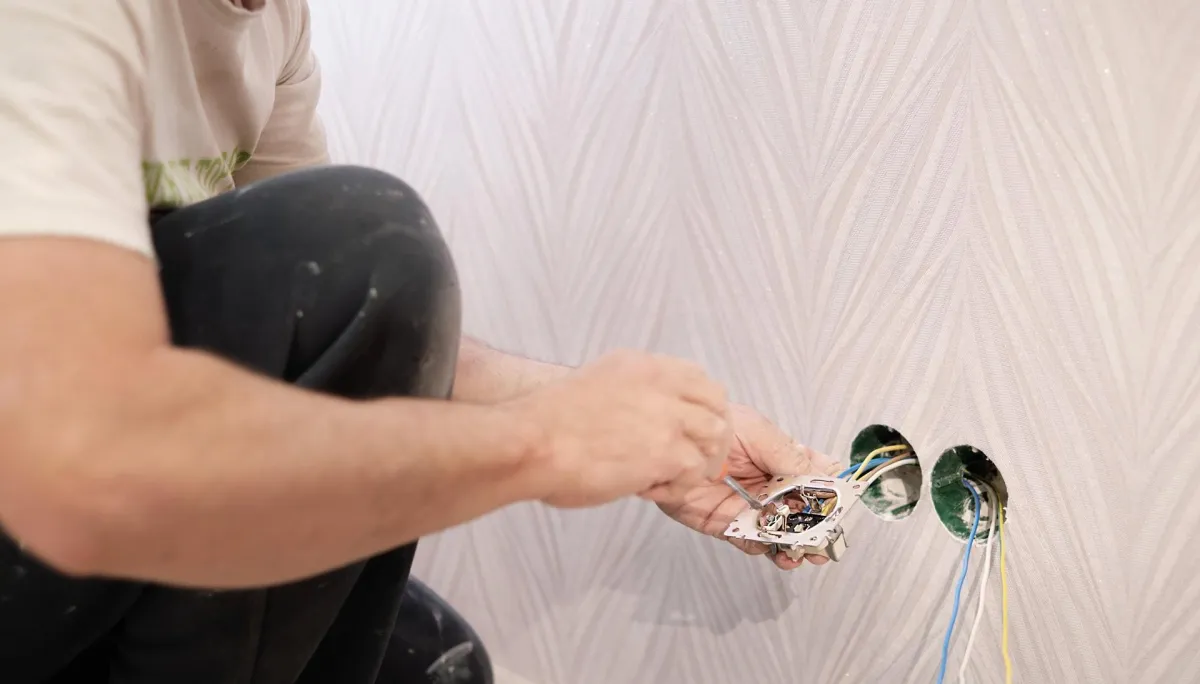
What to Expect During an Electrical Repair Visit in Lehi
Introduction
Electrical problems can catch Lehi homeowners off guard—dead outlets, flickering lights, tripped breakers, or switches that suddenly stop working. When something goes wrong, the next step is scheduling a repair visit. But many homeowners don’t know what actually happens during that appointment. Understanding the process helps you prepare your home, know what questions to ask, and feel confident about the work being done.
Why Electrical Repair Visits Are Structured Carefully
Unlike quick handyman fixes, electrical repair requires precision. Electricians follow a specific approach to diagnose issues safely and accurately. Power systems can hide problems behind walls, ceilings, and panels, so the repair process is designed to uncover the root cause rather than patch the symptom. This prevents repeated issues and ensures long-term reliability.
How Electricians Begin the Repair Process
Before any tools come out, electricians begin with a series of checks and basic evaluations. Having an intro separating this section sets the stage for the steps.
Reviewing the Problem You Reported
Electricians first clarify what you’ve noticed—when the issue happens, how often, and what devices are involved.
Inspecting Visible Devices
Outlets, switches, fixtures, and appliances are checked for heat, looseness, discoloration, unusual sounds, or inconsistent performance.
Checking the Electrical Panel
The panel reveals whether the circuit is overloaded, improperly wired, or showing signs of wear. Many Lehi repairs start with panel findings.
Identifying Pattern-Based Issues
If multiple problems appear in one area, the electrician looks for wiring faults, loose connections, or aging components behind the wall.
What Happens After the Issue Is Identified
The next phase of a repair visit focuses on resolving the problem safely and preventing it from recurring. This section uses a list with an intro because each point is practical and actionable.
Once the electrician knows what’s causing the problem, they move to the repair stage, which usually includes:
Securing or replacing loose wiring connections
Replacing damaged outlets, switches, or fixtures
Correcting breaker sizing or replacing faulty breakers
Repairing overheated or worn wiring sections
Restoring GFCI or AFCI protection where needed
Testing the repaired circuit to verify stable performance
How Homeowners Can Prepare for a Repair Visit
Preparation helps the electrician work efficiently and reduces time spent navigating obstacles.
Before your appointment, consider doing the following:
Clear the area around outlets, switches, or fixtures that need attention
Ensure the electrician has access to the electrical panel
List all symptoms you’ve noticed, even minor ones
Move large furniture if it blocks access to wiring points
Keep pets in another room for safety
Common Misconceptions About Electrical Repair
Homeowners often expect a quick fix, but electrical issues don’t always behave predictably. This section highlights misunderstandings that lead to frustration.
“If the outlet still works sometimes, the problem isn’t serious.”
Intermittent function is one of the biggest signs of failing wiring or loose connections.
“Resetting the breaker fixes the issue permanently.”
If a breaker trips repeatedly, the root issue is still active and can worsen over time.
“New homes don’t need electrical repairs.”
Fast-build homes in Lehi can still have builder shortcuts, loose connections, or overloaded circuits.
“Replacing a switch or outlet solves everything.”
Often the device isn’t the problem—the wiring behind it is.
FAQs
How long does a typical repair visit take?
Most electrical repairs take 30 minutes to a couple of hours, depending on whether the issue is isolated or affects multiple circuits.
Will the electrician need to turn off power to the whole house?
Not always. In many cases only the affected circuit is turned off, but panel work may require a temporary full power shutdown.
Can small electrical issues become dangerous if ignored?
Yes. Heat buildup, sparking, or loose wiring can escalate into serious hazards if not addressed promptly.
Do electricians need to open walls during repair?
Only when wiring is damaged behind the surface or inaccessible. Many repairs can be done without cutting drywall.
How do I know if the problem will require a larger upgrade?
If the issue relates to panel capacity, aging wiring, or repeated overloads, the electrician may recommend broader improvements.
Conclusion
An electrical repair visit in Lehi is a structured process designed to diagnose issues accurately and resolve them safely. Knowing what to expect—evaluation, testing, repair, and verification—helps you prepare your home and understand the work being done. Whether you’re dealing with a dead outlet or a recurring breaker trip, a professional repair ensures your electrical system stays safe, reliable, and up to code.

Our Services
Helpful Links
Contact Information
Phone
Utah County: (385) 257-3541
St. George: (480) 686-5978
Business Hours
Mon - Fri: 8:00 am - 5:00 pm
Sat - Sun: Closed
© 2025 All Rights Reserved | Bar H Bar Electric