
Utah County
St. George
ELectrician IN LEHI, UTAH
How Often Should Homeowners Get Electrical Inspections?
Introduction
Most electrical systems age quietly. Wires loosen, breakers weaken, and connections deteriorate slowly over time, often without visible warning signs. A routine electrical inspection helps catch these hidden issues early, long before they turn into fire hazards, power failures, or expensive repairs.
In Lehi, UT, inspection frequency varies because homes differ in age, electrical load, renovation history, and overall system condition. Whether the home is older, newly upgraded, or showing small signs of stress, knowing when to schedule an electrical inspection helps keep the system reliable and safe.
Situations That Require More Frequent Electrical Inspections
Some homes need electrical inspections more often than others due to usage, age, or environmental conditions. These situations commonly raise the need for earlier evaluation.
Older Electrical Systems
Aging wiring, outdated breaker panels, or older electrical materials require more consistent oversight to ensure safety and performance.
Renovations or Added Electrical Load
Finished basements, room additions, new HVAC systems, EV chargers, and large appliances all change the home’s electrical demand and should be checked after installation.
Persistent Electrical Symptoms
Flickering lights, buzzing outlets, warm wall plates, or tripping breakers indicate potential wiring or panel issues that inspections can uncover.
Weather or Moisture Exposure
Heavy storms, roof leaks, or damp basements can affect wiring and grounding systems, requiring more frequent checks.
Buying or Selling a Home
Pre-sale or pre-purchase inspections help verify electrical safety and prevent unexpected repair costs.
How to Determine the Right Inspection Schedule
Homeowners can choose the right inspection interval by looking at how their electrical system is used and what signs the home is showing.
Step 1: Look at the Home’s Age
Newer homes generally need inspections every 5–7 years. Older homes benefit from evaluations every 2–3 years due to aging components.
Step 2: Review Electrical Usage
Homes with workshops, electric heaters, high-power appliances, or EV chargers should inspect more frequently to ensure circuits are handling the load.
Step 3: Watch for Warning Signs
Dim lights, buzzing sounds, repeated breaker trips, or warm switches indicate the need for inspection right away.
Step 4: Consider Recent Upgrades
Major additions or electrical changes can shift load distribution, making an inspection necessary to confirm everything is wired safely.
Step 5: Factor in Safety Requirements
Some insurance providers and home warranties recommend regular inspections to maintain coverage and reduce risk.
Benefits of Regular Electrical Inspections
Routine inspections give homeowners several protective and practical benefits that help maintain a safe electrical system.
Early detection of loose connections, damaged wiring, or overloaded circuits
Reduced risk of electrical fires caused by aging components
Improved electrical efficiency and system lifespan
Verification that the panel and circuits meet current safety codes
Prevention of unexpected repair costs
Increased confidence in the safety of everyday electrical use
Frequently Asked Questions
What happens during a full electrical inspection?
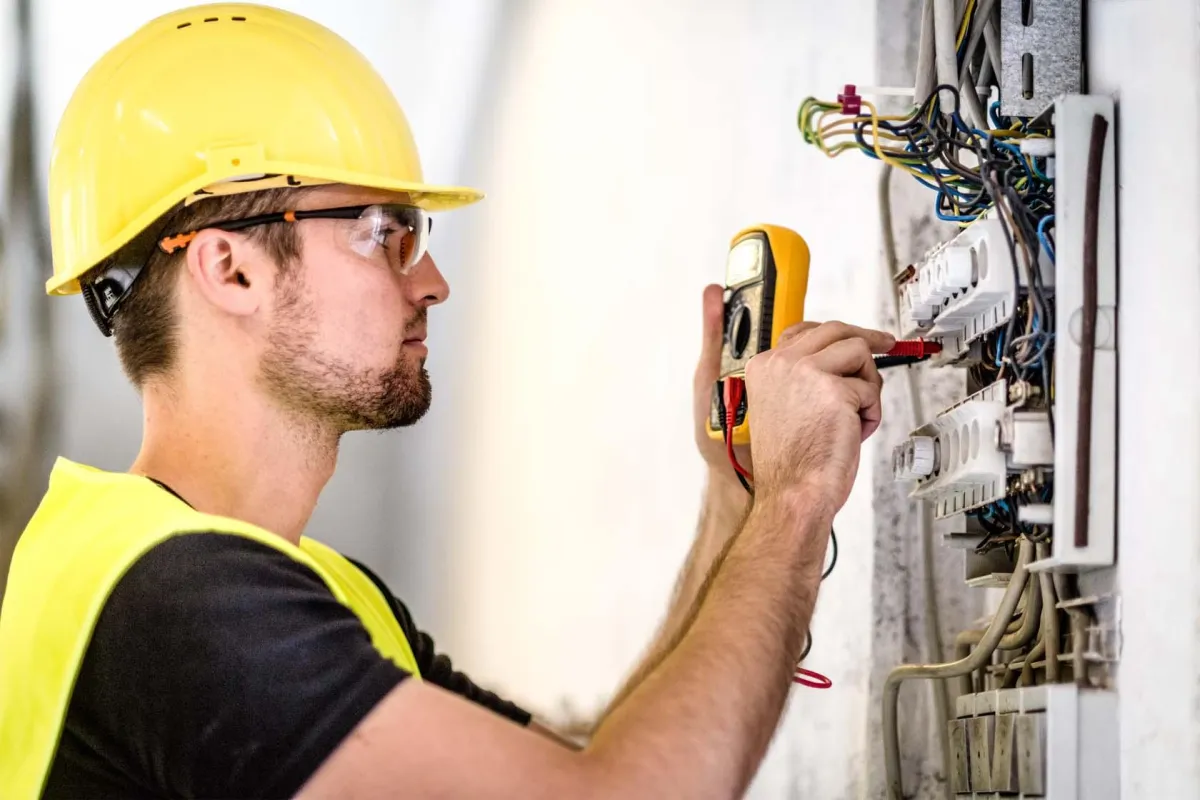
The electrician checks the panel, tests breakers, examines wiring for damage, verifies grounding and bonding, inspects outlets and switches, confirms circuit sizing, and identifies any safety hazards or outdated components.
How do I know if my Lehi home needs an inspection sooner than scheduled?
If you notice warm outlets, buzzing noises, flickering lights, or persistent breaker trips, these symptoms suggest underlying issues that require immediate inspection.
Is an inspection the same as troubleshooting a specific problem?
No. Troubleshooting focuses on a single issue, while an inspection evaluates the entire electrical system and often reveals additional problems you may not be aware of.
Can an electrical inspection help with insurance requirements?
Yes. Many insurers encourage routine inspections, especially for older homes, because they lower the risk of fire-related claims.
How often should rental properties be inspected?
More frequently than owner-occupied homes. Tenant turnover and unpredictable usage patterns make inspections every 2–3 years a safer practice.
Conclusion
Electrical inspections help prevent hidden issues from growing into major electrical failures or safety hazards. Homes in Lehi, UT benefit from regular evaluations based on age, usage, and any symptoms the system is showing. By staying on a schedule that fits the home’s needs, homeowners can maintain a safe, dependable electrical system year after year.
Many residents trust Bar H Bar Electric for these inspections because having a reliable local team ensures every part of the system is evaluated thoroughly and professionally.

Our Services
Helpful Links
Contact Information
Phone
Utah County: (385) 257-3541
St. George: (480) 686-5978
Business Hours
Mon - Fri: 8:00 am - 5:00 pm
Sat - Sun: Closed
© 2025 All Rights Reserved | Bar H Bar Electric