
Utah County
St. George
ELectrician IN LEHI, UTAH
Should You Pay for Annual Electrical Safety Inspections
Introduction
Most homeowners in Lehi, Utah schedule HVAC tune-ups and roof inspections without hesitation. Electrical systems, however, often go unchecked until something fails. Because wiring is hidden behind walls and inside panels, problems can develop quietly.
That raises an important question: should you pay for annual electrical safety inspections, or is that unnecessary?
The answer depends on your home’s age, electrical load, and long-term safety goals. Below, we break down what annual inspections involve, what they cost, and when they make financial sense.
What Is an Electrical Safety Inspection?
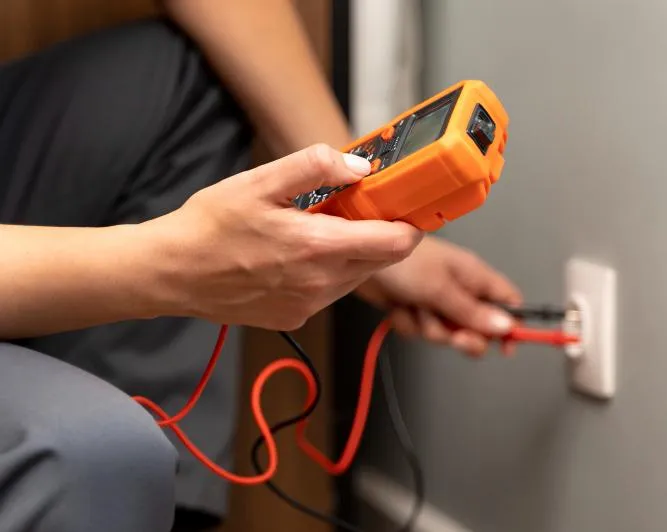
An electrical safety inspection is a comprehensive review of your home’s wiring, panel, grounding, and safety components. It is not the same as repairing a single outlet or replacing a breaker.
During a typical inspection in Lehi, Utah, an electrician evaluates:
Electrical panel condition
Breaker performance
Grounding and bonding systems
Visible wiring integrity
GFCI and AFCI protection
Surge protection status
Signs of overheating or corrosion
The goal is prevention, not emergency repair.
Typical Cost of an Electrical Safety Inspection in Lehi
In Lehi, Utah, annual electrical safety inspections typically range between:
$150 and $400
Pricing depends on home size and system complexity. Larger homes with multiple subpanels or added equipment such as EV chargers may fall toward the higher end.
Compared to the cost of panel replacement or fire damage, inspections are relatively inexpensive.
What Are You Actually Paying For?
Homeowners often wonder why inspections carry a fee when nothing is being replaced. The value lies in professional evaluation and early detection.
Here’s what an inspection includes:
System Load Evaluation
An electrician reviews whether your panel is operating near capacity. This is especially important in Lehi homes adding hot tubs, EV chargers, or finished basements.
Safety Device Verification
Modern codes require GFCI and AFCI protection in specific areas. Inspections confirm these devices function correctly.
Early Problem Detection
Loose connections, minor corrosion, and overheating signs can be detected before they escalate into costly failures.
Code Compliance Awareness
Homes built years ago may not meet current Utah electrical standards. Inspections identify potential compliance gaps.
When Annual Inspections Make the Most Sense
Not every homeowner needs yearly inspections. Certain situations increase the value of regular reviews.
Older Homes
Homes built more than 20–30 years ago are more likely to contain aging wiring or outdated panels.
Homes With Increased Electrical Demand
If you have recently added:
EV charger installation
Spa hookup
Home office equipment
Major appliance upgrades
Your system may be operating under higher load than originally designed.
Homes Preparing for Sale
An inspection can identify issues before a buyer’s home inspection reveals them.
Rental Properties
Landlords in Lehi, Utah may benefit from routine inspections to reduce liability risk.
Comparing Preventive Inspections vs. Emergency Repairs
To understand whether inspections are worth the cost, consider the financial difference between prevention and emergency response.
Preventive inspections aim to catch small problems before they grow into high-cost repairs.
Step-by-Step: What Happens During an Annual Inspection?
Understanding the process clarifies the value.
Panel Review
The electrician inspects breakers, wiring connections, and signs of overheating.Circuit Testing
Voltage levels and load distribution are evaluated.Safety Device Testing
GFCIs and AFCIs are tested for proper function.Grounding Check
Ground rods and bonding systems are verified.Report and Recommendations
Homeowners receive feedback outlining any recommended updates or repairs.
The entire process typically takes one to two hours depending on home size.
Situations Where Annual Inspections May Not Be Necessary
In some cases, yearly inspections may not provide significant added value.
Newly built homes with modern systems
Homes that recently underwent full rewiring
Properties with recent panel upgrades and inspections
In these cases, inspections every few years may be sufficient unless new equipment is added.
Long-Term Financial Perspective
Electrical systems rarely fail without warning. Small warning signs often appear first.
An annual inspection provides:
Peace of mind
Early detection
Improved system longevity
Reduced emergency risk
For many homeowners in Lehi, Utah, the modest annual cost is viewed as a preventive investment rather than an unnecessary expense.
FAQs
Are annual electrical inspections required by law?
No, most residential properties are not required to schedule yearly inspections unless specific circumstances apply.
How long does an inspection take?
Most inspections take between one and two hours depending on system complexity.
Can inspections prevent electrical fires?
While no inspection eliminates all risk, identifying loose connections and overloaded circuits significantly reduces fire hazards.
Is an inspection necessary if nothing seems wrong?
Electrical issues often develop without obvious symptoms. Inspections help identify hidden concerns.
How often should older homes be inspected?
Older homes may benefit from more frequent inspections due to aging wiring and increased electrical demand.
Conclusion
Paying for annual electrical safety inspections in Lehi, Utah can be a practical preventive measure, particularly for older homes or properties with increasing electrical demand. While not mandatory, inspections help identify small issues before they turn into expensive repairs or safety hazards.
For homeowners who value proactive maintenance and system reliability, Bar H Bar Electric provides professional electrical safety inspections in Lehi, Utah focused on prevention, code compliance, and long-term performance.

Our Services
Helpful Links
Contact Information
Phone
Utah County: (385) 257-3541
St. George: (480) 686-5978
Business Hours
Mon - Fri: 8:00 am - 5:00 pm
Sat - Sun: Closed
© 2025 All Rights Reserved | Bar H Bar Electric