
Utah County
St. George
ELectrician IN LEHI, UTAH
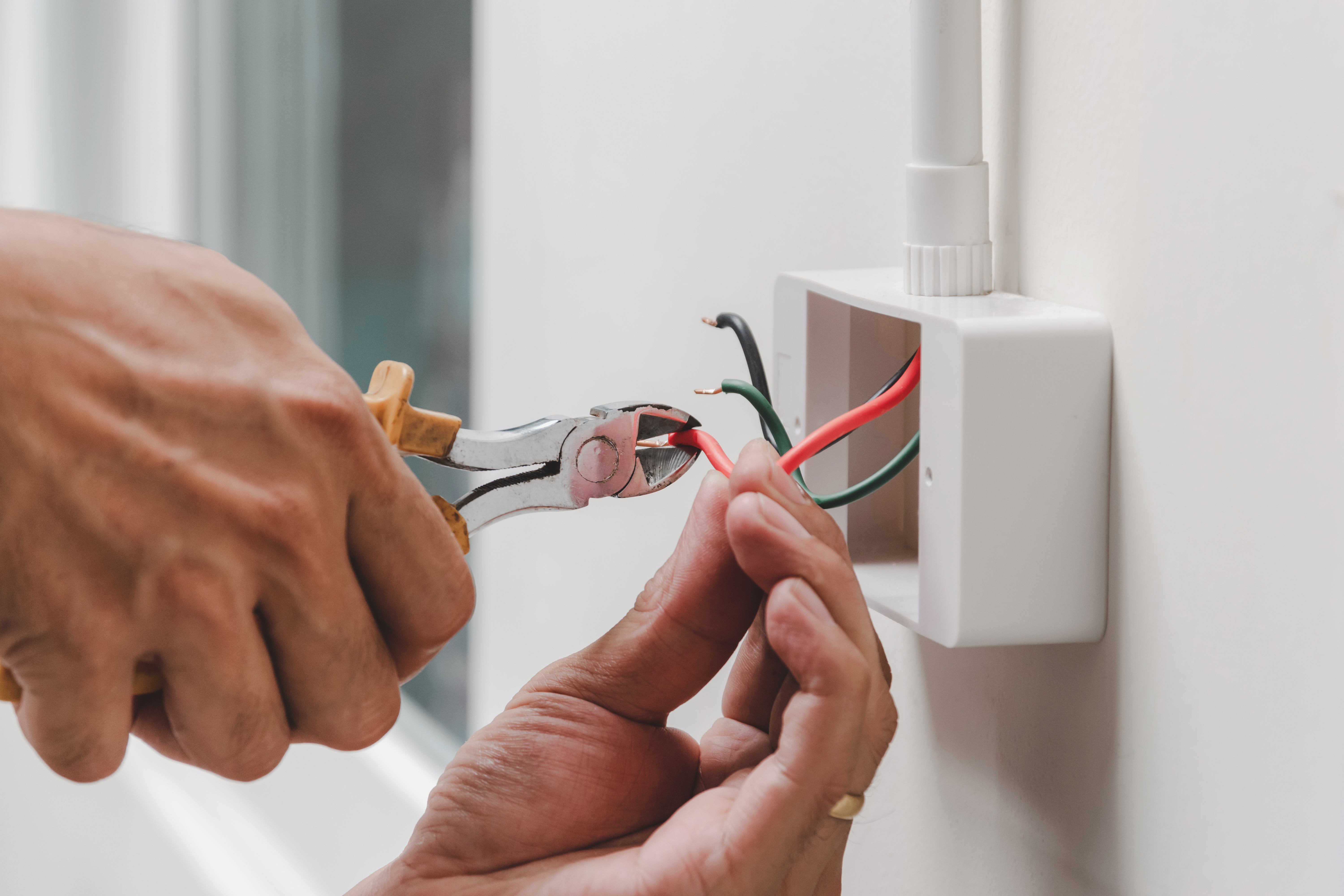
Why Do Some Electrical Repairs Cost More Than Others
Introduction
Two homeowners in Lehi, Utah might both call for “an electrical repair,” yet receive very different estimates. One pays a few hundred dollars. The other pays several thousand. At first glance, that can feel confusing.
The truth is that electrical repair pricing isn’t based on the symptom alone. It’s based on the underlying cause, accessibility, code requirements, and the level of risk involved. A tripping breaker and a flickering light may look simple on the surface, but what’s happening behind the walls determines the final cost.
Understanding what drives those differences helps you evaluate estimates more confidently and plan your budget realistically.
Not All Electrical Problems Are Equal
Some repairs involve replacing a visible component. Others require diagnosing hidden wiring issues inside walls, ceilings, or panels.
Here’s how minor and major repairs often compare:
The more invasive the repair, the more labor, materials, and safety precautions are involved.
The Root Cause Behind the Problem
Two identical symptoms can have very different causes.
For example, a tripping breaker could mean:
A worn-out breaker (simple fix)
An overloaded circuit (moderate fix)
Damaged wiring inside walls (complex fix)
A failing electrical panel (major repair)
The diagnosis phase is critical. In Lehi, Utah homes—especially older ones—electrical issues may stem from outdated wiring or undersized panels rather than a single faulty part.
Repairs cost more when the root issue is structural rather than component-based.
Accessibility and Labor Complexity
Accessibility plays a major role in repair pricing.
A damaged wire inside an unfinished basement ceiling is easier to access than one hidden behind finished drywall or masonry. The more surfaces that need to be opened and repaired, the more labor time increases.
Repairs become more complex when they involve:
Multi-story wiring paths
Finished basements
Insulated attic spaces
Outdoor underground lines
Labor time is often the largest portion of an electrical repair estimate.
Electrical Code Updates in Lehi, Utah
Electrical repairs must meet current safety codes, not the standards that existed when the home was built.
If a repair exposes outdated wiring, an electrician in Lehi, Utah may be required to bring portions of the system up to code. That can include:
Adding GFCI protection
Installing AFCI breakers
Updating grounding systems
Replacing outdated panels
These updates increase cost but ensure long-term safety and compliance.
Age of the Electrical System
Older homes typically require more extensive repairs.
Common age-related factors include:
Brittle or deteriorated insulation
Aluminum wiring
Corroded connections
Undersized service capacity
In contrast, newer homes often require only isolated fixes.
When multiple components show wear, repairing one area may reveal the need for broader updates, increasing the total project cost.
Emergency vs. Scheduled Repairs
Timing also influences price.
Emergency repairs often cost more because they require:
Immediate response
After-hours service
Rapid troubleshooting
Planned, non-urgent repairs typically allow for more efficient scheduling and lower service costs.
Homeowners in Lehi who address minor electrical issues early often avoid larger emergency expenses later.
Specialized Equipment or Materials
Some repairs require standard parts. Others demand specialized materials.
Examples include:
High-amperage breakers
Outdoor-rated conduit
Surge protection devices
Smart panel components
Specialty components and upgraded equipment increase material costs compared to standard replacements.
Diagnostic Time and Complexity
Electrical troubleshooting can vary significantly.
Simple issues may be diagnosed within minutes. More complex faults—especially intermittent ones—require systematic testing of circuits, loads, and wiring paths.
The more time required to locate the problem safely and accurately, the higher the labor portion of the repair cost.
Accurate diagnosis is essential to prevent recurring issues.
Step-by-Step: How Electrical Repair Costs Are Determined
Understanding the evaluation process can clarify pricing differences.
Initial Assessment
The electrician inspects the visible issue and asks about symptoms.System Testing
Circuits, breakers, and voltage levels are tested to isolate the fault.Root Cause Identification
The underlying issue is identified—whether it’s a component failure or deeper wiring problem.Code Compliance Review
The repair plan is checked against current Lehi, Utah electrical code requirements.Estimate Preparation
Labor, materials, permits (if required), and repair scope are calculated.
The depth of this process directly impacts the final price.
When Higher Repair Costs May Actually Save Money
It can be tempting to choose the lowest-cost solution. However, partial fixes sometimes lead to recurring problems.
For example:
Replacing a breaker without addressing overloaded circuits
Repairing a single outlet without upgrading outdated wiring
Ignoring panel capacity limitations
Addressing the root cause often costs more initially but prevents repeat service calls and larger repairs later.
FAQs
Why did my neighbor pay less for a similar repair?
Even similar symptoms can have different underlying causes. Wiring condition, accessibility, and panel capacity all affect cost.
Are electrical repairs more expensive in older homes?
Often yes, because outdated wiring and panels may require additional updates to meet current safety codes.
Does code compliance increase repair costs?
Sometimes. If a repair exposes outdated components, updates may be required for safety and inspection approval.
Can delaying repairs make them more expensive?
Yes. Minor issues can worsen over time, leading to more extensive and costly repairs.
How can I avoid unexpected electrical repair costs?
Regular electrical inspections help identify small issues before they become larger problems.
Conclusion
Electrical repair costs vary because every problem is different. The price depends on the root cause, accessibility, age of the system, code requirements, and the level of risk involved. In Lehi, Utah homes, modern electrical demands often reveal underlying limitations in older systems.
While some repairs are simple and inexpensive, others require more extensive work to ensure safety and long-term reliability. For homeowners seeking clear evaluations and professional repairs, Bar H Bar Electric provides experienced electrical services in Lehi, Utah focused on accurate diagnosis and code-compliant solutions.

Our Services
Helpful Links
Contact Information
Phone
Utah County: (385) 257-3541
St. George: (480) 686-5978
Business Hours
Mon - Fri: 8:00 am - 5:00 pm
Sat - Sun: Closed
© 2025 All Rights Reserved | Bar H Bar Electric